Pages

Tuesday, March 19, 2019

Sherbet

Making Sherbet


The sherbet Recipe: 

  1. 1tsp of powdered drink crystals (eg refresh)
  2. 1/4 tsp citric acid
  3. 1/4 tsp tartaric acid
  4. 1/4 tsp -baking soda
  5. Put all ingredients into a zip lock bag, stir, and enjoy.
Materials:
1. One zip lock bag or a plastic cup
2. The ingredient (Raspberry Raro, Critic acid, Tartaric acid, baking soda & icing sugar)   
3. A plastic spoon or you can use your fingers

Findings:

Sherbet
Raspberry Flavored 
Taste
Fizzy 
Colour
Light pink and made my tongue go hot pink 


Conclusion

We made raspberry flavored raro that was light pink and also fizzed up in your mouth. It made your tongue turn hot pink. 

I really liked making the raspberry raro sherbet because it's something to eat and share with your friends.  

Friday, March 15, 2019

Wetlands - Ecosystems

Ecosystems:
DEFINITION: AN ECOSYSTEM IS A LARGE COMMUNITY OF LIVING (PLANTS, ANIMALS AND MICROBES) AND NON-LIVING ORGANISMS (SUNLIGHT, WATER, SOIL, TEMPERATURE) IN A PARTICULAR AREA. 

Food chain

Definition: A series of organisms each dependent on the next as a source of food.
Example:


1st food chain:
         Plants                                                             A cow                                                          A person 


Food  Webs


Definition: A food web is similar to a food chain but larger. A food web uses arrows to show the energy relationships among organisms. Food webs show how plants and animals are connected in many ways. 

An example of a food web.

Image result for food chain pyramid


Create your own food web using:

Algae
Nymphs
Dragonfly
Tadpole
Raupo
Frog
Fish
Grey Heron
Flax 
Tui
Wild cats

Image result for algae  Algae

Image result for water nymphs insect  Nymph

Image result for dragonfly Dragonfly
Image result for tadpole Tadpole

Image result for nz native fish NZ Fish

Wetlands


Aim: To learn about the wetland ecosystem.
                                                          
What is a Wetland?
Any land consisting of marshes or swamps and land that is saturated with water.                                                                

4 different kinds of wetlands

  1. Marsh - wetland that is dominated by plants.
  2. Swamp - an area of low-lying, uncultivated ground where water collects.
  3. Bog - an area of wet muddy ground is very soft.
  4. Mire / fen - a stretch of swampy or boggy ground.

Common wetland plants in NZ

Name
Image
Purpose
EG: Swamp weed
  1. Food for fish and birds
  2. Home for fish and birds
  3. Cleans the water
Bullrush
Image result for bulrush plant
  1. Homes for fishy 
  2. Can be used for making nest
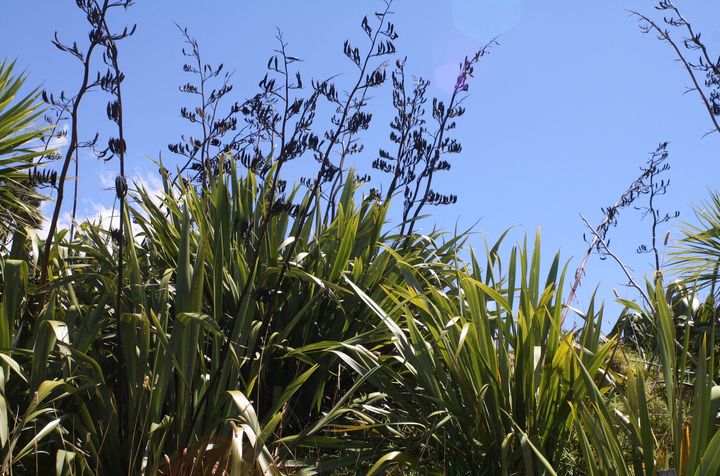
Harakeke
Image result for Harakeke
  1. Can be used for making baskets
  2.  Birds can come and eat the seeds
  3. Spiders come and make homes
Raupo
Image result for Raupo
  1. Was used for poi making
  2. Used for weaving
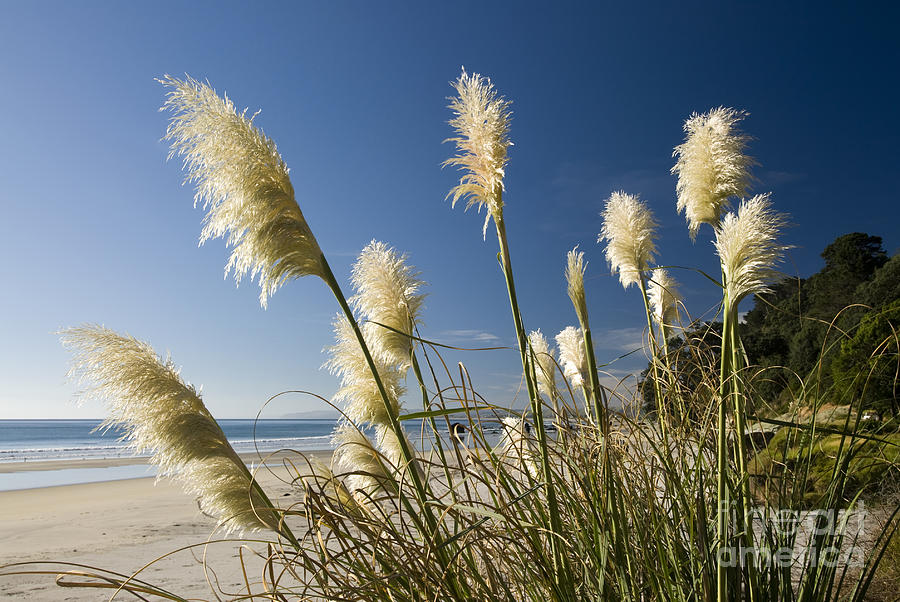
Toitoi
Image result for Toitoi
  1. Can be used to make baskets and mats
  2. Can also be used for line on walls

Common animals, insects, birds you may find in a NZ wetland.
Name
Image
Food
Duck
  1. Bird food
  2. Corn
  3. Greens
  4. Frozen foods
Frog
Image result for Frog
  1. Meat
  2. Insects
  3. Flies 
  4. Animals 
Butterfly
Image result for butterfly
  1. Foods that dissolve in water
  2. Nectar/Flowers
  3. Tree sap, dung, pollen, or rotting fruit
  4. Sodium's from salt and sweat    

Grey Heron
Image result for Grey heron
  1. Fish
  2. Amphibians
  3. Small mammals
  4. Insects 
Dragonfly
Image result for Dragonfly
  1. Insects and also small flying insects
  2. Gnats, mayflies, flies and mosquitoes
  3. Butterflies, moths and bees
Fish
Image result for Fishs
  1. Worms and shrimp
  2. Frozen foods and pre-packaged foods
  3. Flakes, granules and pellets